
Back Home by Chris Hardie

Wisconsinites know that the change of seasons on the calendar doesn’t always square with Mother Nature’s timetable – we can go from winter to spring to summer back to winter in the span of a few days or even hours.
But eventually as the days grow longer and the frosty mornings dwindle, spring creeps in. And when it does, there’s a sudden urgency to complete lots of outdoor chores to wipe away the remnants of winter and even fall.
A notable landscape feature in our back yard is a large maple tree between the house and the garage. The tree has been there for decades and supported several taps during the years when we made maple syrup.
Under the tree we have planted hostas and bittersweet vines among the roots. The bittersweet has flourished and spread, so it’s a green jungle of leaves and vines in the summer.
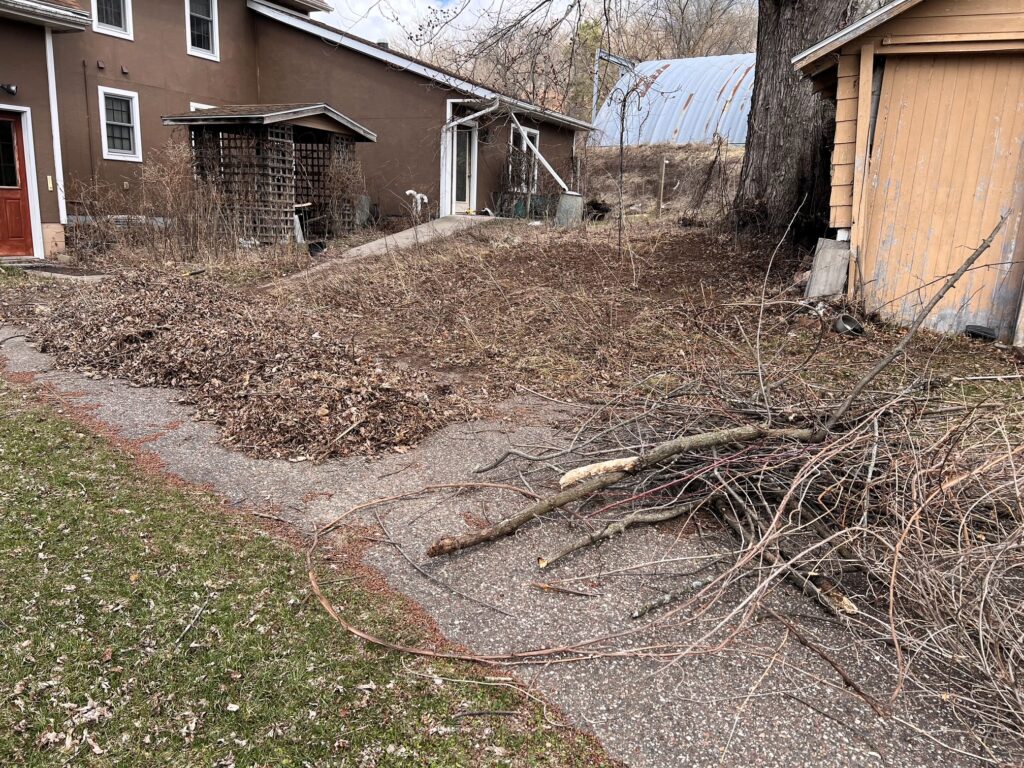
This time of year the hosta and bittersweet bed is covered in a thick layer of leaves that were dropped last fall by the maple. Cleaning up those leaves is one of the first spring landscaping jobs every year.
If I were a little more organized, it could be a fall job and would be one less job to do in the spring. But that would require making a seasonal chore list, which would interfere with my instinctual list and would need to be synchronized with my wife Sherry’s master honey-do list. Even today’s powerful artificial intelligence computer banks would be hard-pressed to achieve that task.
Honey-do lists are effective in fighting what psychologists call the “Zeigarnik Effect.” Named after Lithuanian psychologist Bluma Zeigarnik, it is the tendency to experience intrusive thoughts about an objective that was once pursued and left incomplete. Simply put, our brains dwell on incomplete tasks until they are resolved – like having open mental browser tabs.
That may explain why I operate my computer with dozens of open browser tabs, consuming both computer and mental resources until I can close them – which usually doesn’t happen until my computer memory demands a reboot.
Getting me going sometimes requires more of a metaphorical boot to my posterior, which circles back to the honey-do list. This time I didn’t even need a list reminder – I needed a break from the computer, it wasn’t raining and the yardwork beckoned.
My first task was to locate the garden rake, which the cobwebbed corners of my mind told me was in the garage. I call it the garage, but it’s been years since a vehicle has been parked inside. The building is more of a storage shed for tools, equipment and other farm stuff.
The rake was where I had left it last fall, a minor miracle of sorts since I seem to lose track of where I place things or they are relocated by the farm gremlins. The gremlins have a long history on the farm as wrenches, hammers and other tools would move from their appointed place to toolboxes on tractors, inside the barn or other locations. We should have bought half-inch box wrenches by the dozen because they were always the first to disappear.
My first task with the rake was to restore chunks of sod along the driveway that were grubbed up during the winter snowplowing – both from me and from the town snowplow driver. Lifting the snowplow blade at the precise moment where the pavement ends and the grass begins is sort of a guessing game.
Accepting that I was not repairing greens for a golf course, I smoothed out most of the ruts and began to clean up under the maple tree. My first step was collecting small limbs and branches that had fallen over the winter. Maples are like old dogs – they constantly shed.
Once that was done, I began to rake. Running a garden rake through bittersweet is challenging and requires exceptional patience to stop every few seconds to untangle the vines from the teeth of the rake. It’s like pulling burdock off a wool jacket. Toss in a few maple tree roots and it’s like combing a jungle.
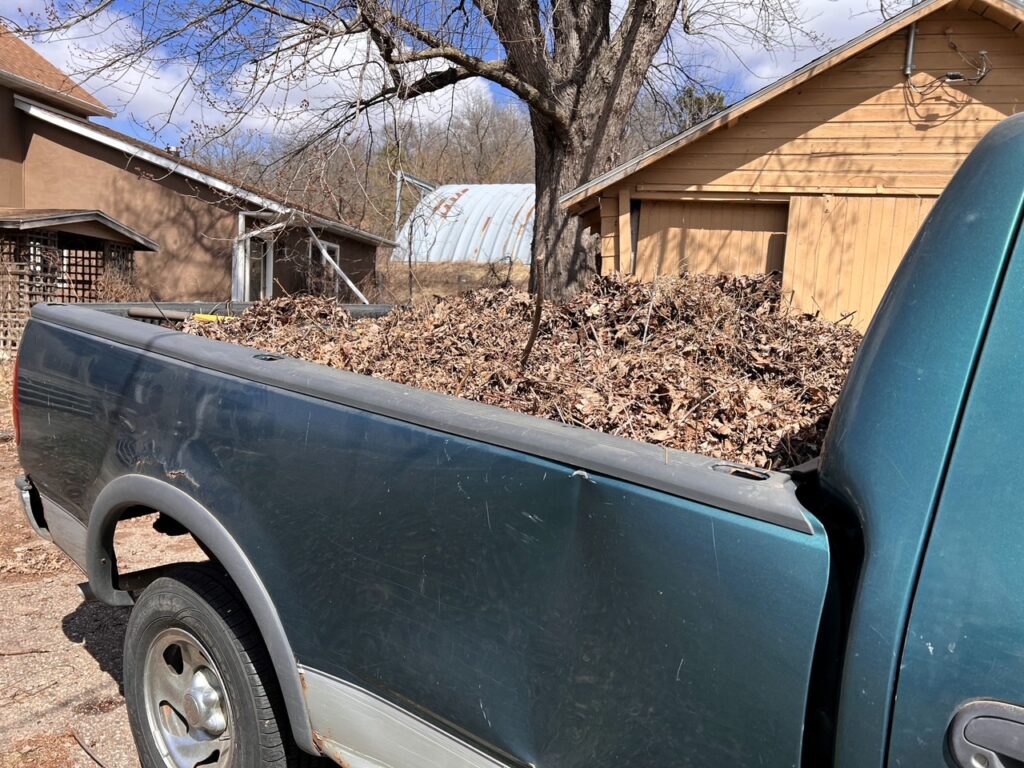
But the birds were singing, my mind was emptying and after a couple of hours I had a large pile which filled the back of my old pickup, along with another load of brush and branches. It wasn’t perfect, but the bulk of the leaves were removed and I could move to another task on the list.
Benjamin Franklin was a big fan of lists and even made a calendar-checklist on how well he was performing on 13 virtues: temperance, silence, order, resolution, frugality, industry, sincerity, justice, moderation, cleanliness, tranquility, chastity and humility.
No thanks. I’ll settle for being healthy, wealthy and wise.
Or just healthy – I’ll work on the rest.
Chris Hardie spent more than 30 years as a reporter, editor