By Bill Barth
The late State Sen. Tim Cullen and I used to get together now and then, off the record, to kick around political and policy affairs. He’s gone now and no confidences are violated by writing about things he had to say.
Like: “We’re headed toward Wisconsin having two separate education systems with taxpayers paying for both.”
The topic was school vouchers and a growing trend toward more state tax dollars being directed toward shifting pupils from public to private learning institutions.
During an interview with Gov. Tony Evers, after the vouchers movement had gained momentum across Wisconsin, I recall observing that public schools were bleeding students whose parents wanted them removed from those institutions’ problems. I asked him if he thought it could eventually result in a situation where public classrooms might reflect white flight, leaving behind mostly the poor and disadvantaged.
He said that was a legitimate concern.
Age is seldom an asset, but it does allow one’s outlook to span the years. During an interview with Gov. Tommy Thompson decades ago, when Wisconsin was first approaching the subject of investing public dollars into private school vouchers, Thompson talked about being a pioneer on what would become a national movement.
He did not advocate leaping headlong into attacking public schools and making vouchers available to, essentially, anyone with a kid. Instead, his focus was on Milwaukee and its failing urban schools. He believed Milwaukee parents deserved options. Thompson was convinced competition would be good for the public system and would force leadership to improve in order to keep students.
That made sense. So did the obvious follow-up question about whether other cities – like Beloit – with performance problems might be considered for voucher options in the future.
Thompson did not commit but made clear he was aware other cities like Racine, Kenosha and Beloit were dealing with similar educational issues.
And here we are today.
Beloit’s public school system has been shedding students at a precipitous rate. Students can leave through open public enrollment to suburban Beloit Turner or other districts, by vouchers to private schools, by enrolling at The Lincoln Academy charter, or even homeschooling. Hundreds and hundreds of families have moved their kids.
Tax dollars follow the students, contributing to a fiscal crisis in Beloit’s public school system.
Beloit is not alone, by the way.
The Milwaukee Journal Sentinel reports that public school systems all across Wisconsin are losing student population. Meanwhile, alternative schools continue to gain.
The Department of Public Instruction gathers data the third Friday in September. Unaudited figures continue to show significant change.
Public school enrollment in Wisconsin declined by 13,600 students, a 2% drop. More than three-fourths of Wisconsin’s districts lost students.
The number of pupils on state taxpayer funded vouchers to private schools increased by 4%, up 2,650 kids. Charter school enrollment also rose by 4%. The report did not include children being homeschooled.
Is all that a good or bad thing?
There’s no easy answer to that question. When public schools underperform, it seems cruel to trap pupils in faltering programs with nowhere else to go. Choice can be the difference between turning out functioning adults or young people unable to cope with the rigors of life away from campus.
Thompson’s original idea – carefully targeting choice options for the worst public systems – struck a sound note.
But that doesn’t feel like where we are today. So this question seems relevant: What do the people of Wisconsin want for a final outcome?
Is it still to foster productive competition?
Or is it to choke public education and largely replace it?
The question assumes elevated pertinence in a political environment in which public school systems and teachers frequently are accused of running “woke” indoctrination centers for liberal viewpoints. In that contentious hothouse, academic performance may be less important for some than a perception of political bias. Rebuilding confidence is a tall order, but it’s something every public school leader must take seriously.
In my own view, not nearly enough public dialogue is taking place regarding current trend lines or the likely outcomes. History records that universal public education has been a crucial building block of American greatness. Numbers bear out that we are in the process of materially changing the nature of educational delivery. Wherever that is taking us should reflect public opinion and be laid out along a well-planned road forward, with clearly understood goals, rather than taking a haphazard and meandering route to an uncertain destination.
The only sure thing, I think, is that Tim Cullen was right. We are well on the way to having, at least, two separate systems – and taxpayers are on the hook for both.
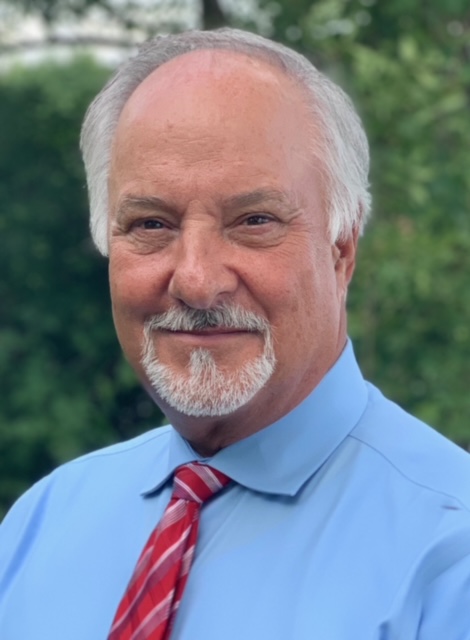
Bill Barth is the former Editor of the Beloit Daily News, and a member of the Wisconsin Newspaper Hall of Fame. Write to him at bbarth@beloitdailynews.com.