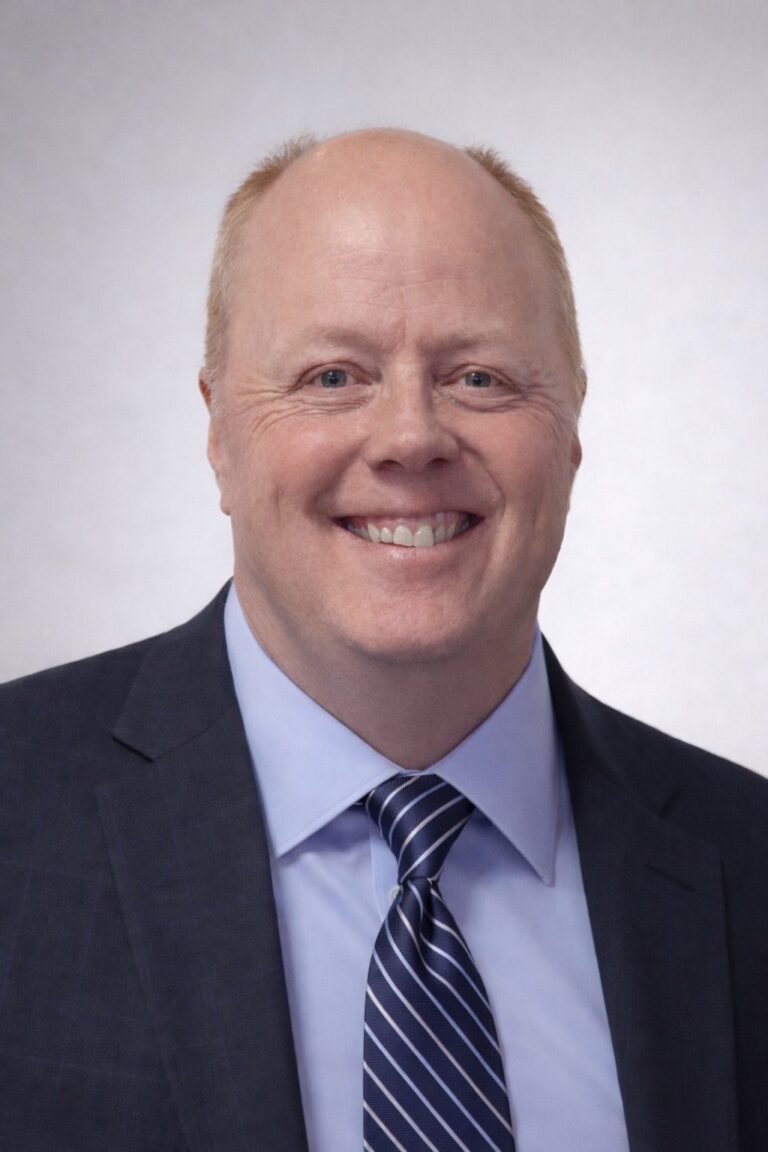

Lakeland Times publisher Gregg Walker this week filed a complaint against Lake Tomahawk Town Chair George DeMet and openly criticized Oneida County Circuit Court Judge Mary Sowinski in connection with her delayed ruling in DeMet’s alleged Open Meetings Law violation in 2023.
In the June 27, 2025 issue of The Lakeland Times, both Walker’s criticism and the judge’s delayed ruling, as well as an editorial criticizing misconduct in public office, were published.
According to both stories authored by Richard Moore:
Sowinski ruled that DeMet knowingly violated the open meetings law when he attended an enhanced wake boat presentation in 2023, aware both that the presence of another town supervisor, Lenore Lopez, constituted a quorum and that the meeting had not been properly noticed to the public, as required by the open meetings law.
But, it was on June 6 that Sowinski issued her written decision — months after an October 16, 2024, court trial.
Following the trial, the judge gave parties two weeks to submit briefs, and, on October 30, Oneida County district attorney Jillian Pfeifer submitted a brief, the last submission before the decision was issued 219 days later.
Pfeifer’s submission triggered a clock established by Supreme Court rule for issuing decisions. Per the rule, judges have 90 days to render an opinion after the matter has been submitted to the judge in final form, which for Sowinski would have started the clock ticking on Oct. 30.
The 90-day period excludes any time the judge is out due to illness. If the original 90-day deadline can’t be met, the judge is required to certify the delay to the parties and to the chief judge of the judicial district, and receives another 90 days to decide the case.
“If a decision can not be made within 90 days, the judge shall certify this in the record of the matter and notify the chief judge of the judicial administrative district,” the rule states. “The period is then extended for one additional period of 90 days.”
In sum, that 180-day calendar stretched to the limit meant Sowinski should have issued her opinion no later than the end of April. Her June 6 decision missed by more than a month. It is not known whether the judge actually certified the delay but in any event missed even the extension deadline.
“The facts demonstrate what each knew or did not know,” Sowinski wrote in the decision. “Those facts establish that Mr. DeMet knew, or consciously avoided seeking out information as to whether the ‘informative talk’ required public notice, and that he did not possess positive knowledge only because he consciously avoided it.”
Sowinski concluded that Lopez did not knowingly violate the law, but she ordered open meetings training for DeMet because of his conscious decision to elude the law.
The court record for the case on the state circuit court online website does not indicate any certification in the record of the need for an additional period. The total time it took the DeMet/Lopez case — which was a state case prosecuted by the district attorney based on a verified and notarized complaint — was well more than a year, from May 8, 2024, when the complaint was filed, to June 6, 2025, or 394 days.
One of the articles points out that experts often cite rising caseloads and more complex cases as reasons for not adjudicating cases quickly — but that would not have been a factor on a straightforward open meetings case. Now a new focus is to issue an opinion once the judge has the case in hand, as well as enforcement of Supreme Court rules.
In a letter mailed this week to Oneida County sheriff Grady Hartman and to county district attorney Jillian Pfeifer, Walker — who serves as a director on the WNA Foundation’s Board — maintained that such a willful violation of state statutes is a felony.
“The law is clear,” Walker wrote. “Misconduct in public office is defined as ‘[a]ny public officer or public employee’ who … ‘intentionally fails or refuses to perform a known mandatory, nondiscretionary, ministerial duty of the officer’s or employee’s office or employment within the time or in the manner required by law.’”
Walker wrote that, while Sowinski could only act on the violation DeMet was charged with, he should be charged with more.
“He should be charged with felony misconduct in office,” Walker wrote. “Just because she found him guilty on the open meetings charge doesn’t mean he can escape scrutiny for other criminal violations that conduct may have encompassed.”