
Back Home by Chris Hardie
I’ve always considered myself a jack of all trades, never afraid to dive into any repair or project even if it’s something I’ve never done before.
I am a master of a few – such as making wine and falling asleep while watching TV – but my lack of knowledge about any particular task has never scared me from trying. I would not flatter myself by saying I’m a craftsman. That title would indicate there’s a craft to my projects. Handyman would be more appropriate, but I prefer “resourceful repair generalist.” That’s because I like to use whatever means available to patch things together, and I’m not shy about using duct tape. A little brute force comes in handy, too.
Growing up on a dairy farm, there was an unlimited supply of the best universal repair product of the day – baling twine. When the dairy barn was expanded in 1970 it was outfitted with some used stanchions my uncle found for a great price. I can’t remember a single time that all the stanchions closed on their own, so most of them were held together with strategically tied pieces of twine.
I’m also proud of the time in 1995 when I repaired a wall air conditioner that had been idle for several years with the cardboard from a 12-pack of beer and some WD-40, another home repair essential.
The compressor still worked but the fan would not move because it was rusted solid. I lubed the fan and got the shaft moving, but the blades were hitting the housing because the fan shaft had settled. Listening to the sound of a whirring fan blade striking the metal housing was excruciating.
So I bent the tips of the fan blades and tore open the beer case, after I took care of the last two occupants. I folded the cardboard into a small square and tucked it underneath the shaft. That beer-inspired shim provided just enough clearance for the fan blades to miss the housing, and we had a working air conditioner that lasted several more years.
I celebrated my ingenuity by stopping at the store to replace my depleted tool kit supply with 12 cold ones. One never knows when you may need another replacement part.
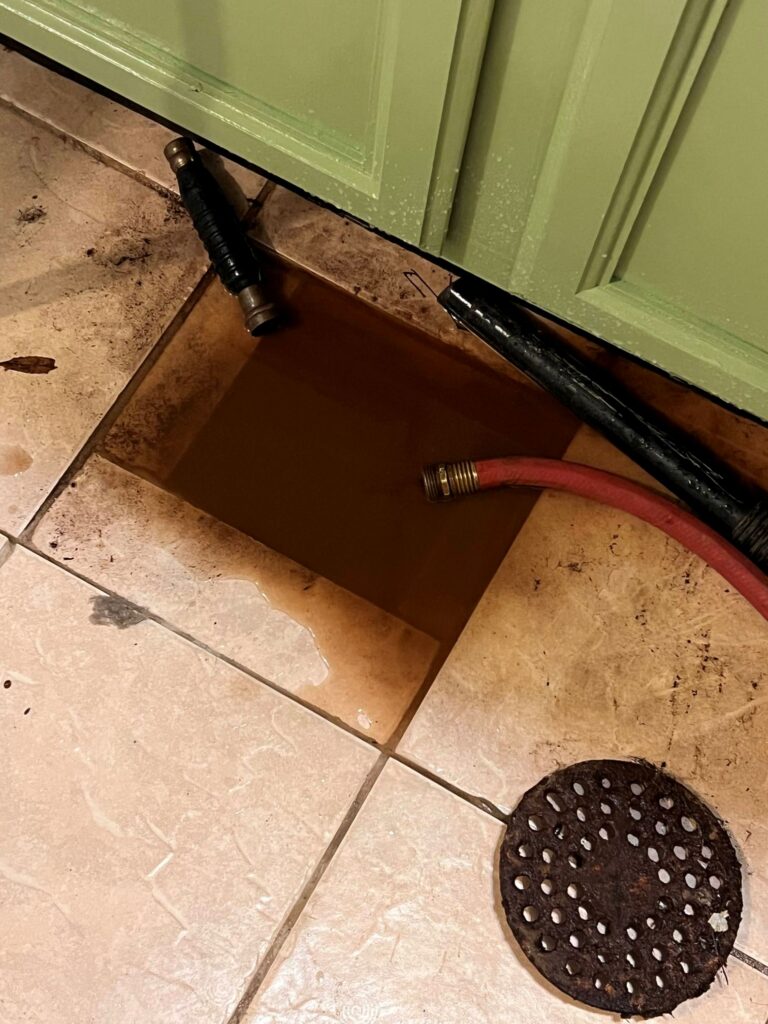
With my repair credentials established, my story now takes me to a recent morning when I discovered a clogged basement drain. This floor drain in the older part of our house was where I had directed a drain hose from a dehumidifier. But the standing water was evidence of no draining.
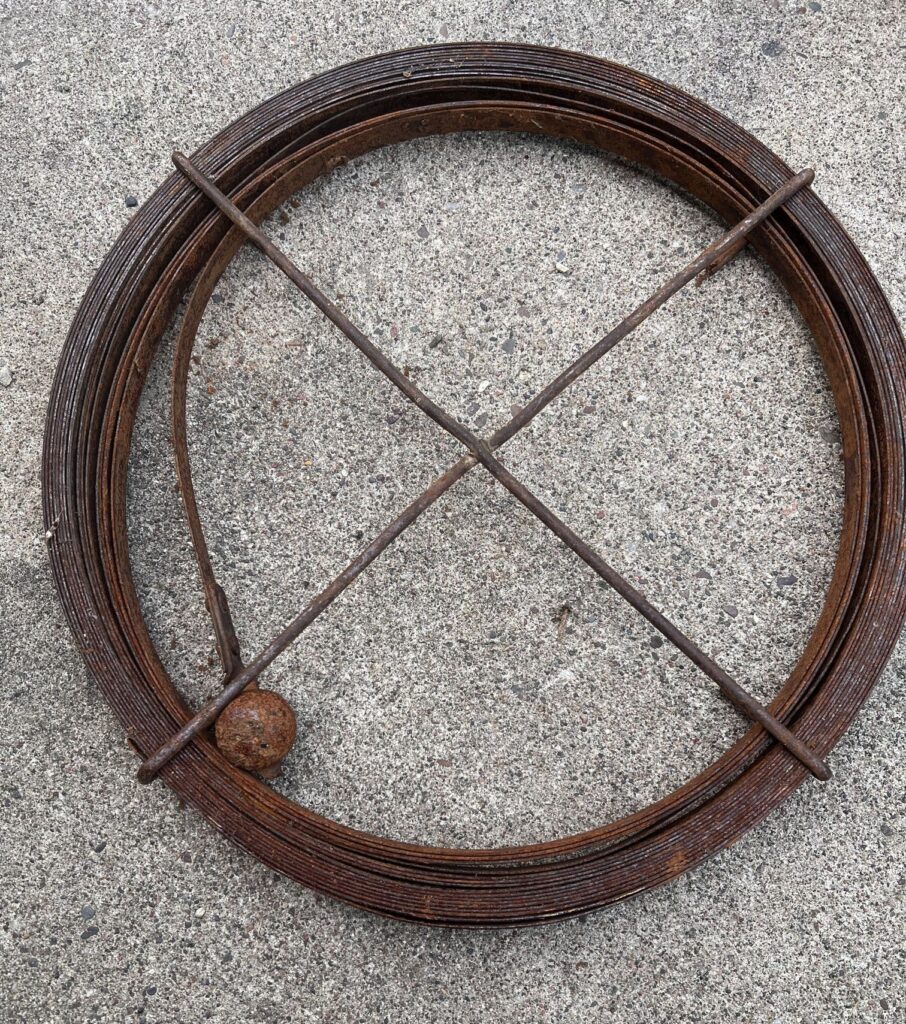
My first fix attempt was the plumber’s friend – a plunger – but the clog held firm. I fetched a piece of rebar but the clog was behind the reach. Undaunted, I used an ancient drain snake with a cast iron head connected to a coiled steel ribbon. I unfurled a few feet and drove it into the drain, but I couldn’t get enough leverage.
My last attempt was sending the snake through a cleanout on a nearby connecting cast iron sewer pipe. That was successful, but I didn’t reach the clogged area and pulled out some nasty gunk that made me regret not having worn gloves. Well, you know what they say … “stuff” happens.
After cleaning up the snake and my hands, I sighed and pulled out my phone to call the plumber. This job was going to require tools I didn’t have. Sure enough, the plumber had to use a mechanical drain snake driven by an electric motor to bore his way through the clog, which took a few minutes.
The clog was not uncommon with old cast iron drain pipes, the plumber told me. The iron flakes off and mixes with dirt to create the blockage.
I didn’t feel too useless, as clearly I didn’t have the proper tool. And I have conquered other plumbing projects in the past, including replacing several toilets. Although it’s tempting, I will refrain from cheap potty humor, because I would not want to soil my reputation or resort to such yellow journalism.
Not all of those projects involved beer. No leaks, no muss and a little fuss.
It did give another notch to my handyman tool belt and the confidence to tackle whatever project comes next.
Who can blame me? It’s natural to be flushed with excitement after replacing a toilet.
Chris Hardie spent more than 30 years as a reporter, editor