There is romance in the rails, a reminder that time once rolled slowly in rhythm to the lyrical call of “All Aboard.”
The sense of history is preserved at the East Troy Electric Railroad and Museum, 2002 Church St., East Troy. Visitors not only can browse vintage items on display but also board and ride restored cars dating to the days of interurban travel.
Steve Thomas, chairman of the board, and Jim Feyerherm, operations manager, explained that interurban railroads once dominated America’s transportation network. All across Wisconsin, Illinois and other states the interurban lines – powered by electricity – linked small towns, villages and cities. The Milwaukee Electric Railway & Light Co. built the line to East Troy in 1907, with about 15 stops along the route. To power the cars the company installed its own electrical plant in the building which now houses the museum and depot, bringing electricity to the community for the first time.
“In 1900 nobody had cars and the roads were not very good. When this train came out here in 1907 it was a big deal for East Troy,” Steve said. “You could now go to Milwaukee in less than an hour and a half. You could go for a show on the weekend and they had a late train that came back, so you could go to the symphony or a play and be back in East Troy. It changed life for people in the rural areas.”
It also changed life for the area’s dairy farmers, allowing them to quickly move their product for processing in Milwaukee.
“Farmers, instead of putting it on their wagons and taking a day and a half, they could put it on the train in the morning and it would be in the dairies,” Jim said.
Roundtrip fare in 1907 was just $1.25, efficient and inexpensive for farmers. And Jim said enterprising department stores in Milwaukee would pay the ticket cost for any customer spending $12.50 in their shops.
Not surprisingly, the era of interurban travel died a slow death as automobiles multiplied among American households. Many railways died in the 1920s as automobiles were produced for the masses.
The Milwaukee Electric Railway & Light Co. – precursor to today’s We Energies – operated the line from East Troy to the city until 1939. The Village of East Troy bought assets to keep a line operating to Mukwonago for freight until 1972. Then, the Wisconsin Electric Railway Historical Society operated tourist trolleys on the line. In 1995, the nonprofit organization now known as the East Troy Railroad Museum purchased the operation. Today it owns 31 electric rail cars. More than 100 volunteers help with museum operations and keep the trains running on schedule. Around 25,000 people ride the trains each year.
“There’s been a train on these tracks since 1907,” Jim said. “It’s the oldest and longest continuing operating interurban in America. That’s a big deal.”
Most of the rail is original. Electrical current – today, it’s turned on and off remotely by two-way radio – runs in a line above the cars where a trolley pole grabs the wire.
“This is the original EV,” Jim joked, using the acronym for modern electric vehicles.
The real beauty is that visitors are not limited to looking. Trains run regularly through October, with special Christmas excursions in November and December. View the schedule and purchase tickets at the website (easttroyrr.org).
Regular runs go between the museum in East Troy to the eclectic Elegant Farmer market in Mukwonago. Visitors can disembark, browse the museum at one end of the line or the market at the other, and return on one of the later trains.
Special trains are always a hit, especially the catered dinner trains featuring elegant cuisine and service. Choose from themed schedules like the Father’s Day Train, the Surf-N-Turf Train, the Fall Harvest Train, Oktoberfest Train, Halloween Train and more. Reservations are a must; the trains fill up fast.
Dinner and a train ride comes with a cost, as Jim joked, saying, “We’re not a cheap date, but we’re a really good one.”
For the dinner trains two larger cars are used, each accommodating about 50 riders. The cars were refurbished by museum personnel, adding dining tables and serving facilities. The larger cars originally were built by the famous Pullman Corporation of Chicago.
“The Pullman National Monument now exists on the site of the Pullman manufacturing plant in Chicago, part of the National Park Service,” Steve said. “We’re having a celebration of the 100th birthday of several of the Pullman cars at our Chicago Day. We’re inviting people from the Pullman National Monument to come.”
The celebration is scheduled July 11, and will include a special lunch train. Again, reserve ahead, and find more details on the website.
Neither Steve nor Jim signed on with the railroad industry for careers, but have been train buffs and hobbyists all their adult lives. They have been supporting the East Troy Museum for about 11 years each. And they don’t worry about the museum’s future among next generations.
“It’s something we work on all the time,” Steve said, “to make sure we get young folks involved. We’ve got to have younger people coming up to take the reins. We have a 16-year-old volunteer who, I swear, knows more about this railroad than anybody else.”
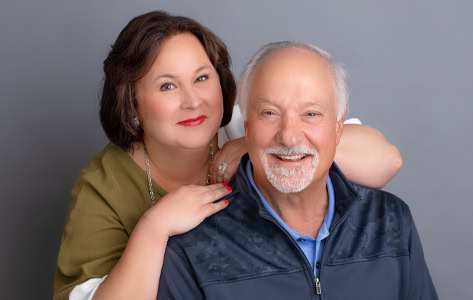
The column is produced by the husband and wife team of Bill Barth and Stephanie Klett. Bill is the former Editor of the Beloit Daily News, and a member of the Wisconsin Newspaper Hall of Fame. Stephanie is the President and CEO of Visit Lake Geneva, and the former Secretary of the Wisconsin Department of Tourism.